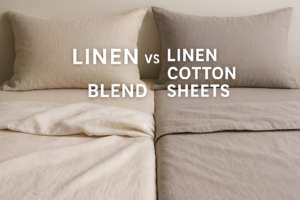
If you’re searching for bedding that strikes the perfect balance between softness, breathability, and long-lasting durability, look no further than linen and cotton blend sheets. This fabric blend has become incredibly popular — and for good reason. With their natural feel, moisture-wicking performance, and year-round comfort, these sheets offer a luxurious sleeping experience without the heavy price tag of pure linen.
Below, we dive deep into everything you need to know about this bedding essential.
Understanding Linen and Cotton Blend Sheets
What Are Linen and Cotton Blend Sheets?
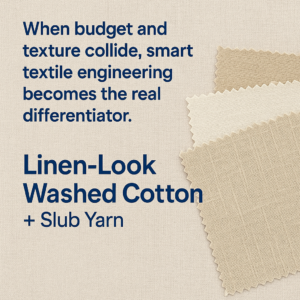
Linen and cotton blend sheets combine two of the world’s oldest and most trusted fibers. Linen comes from the flax plant, and cotton comes from cotton bolls. When woven together, they create a fabric that’s airy, flexible, and incredibly comfortable.
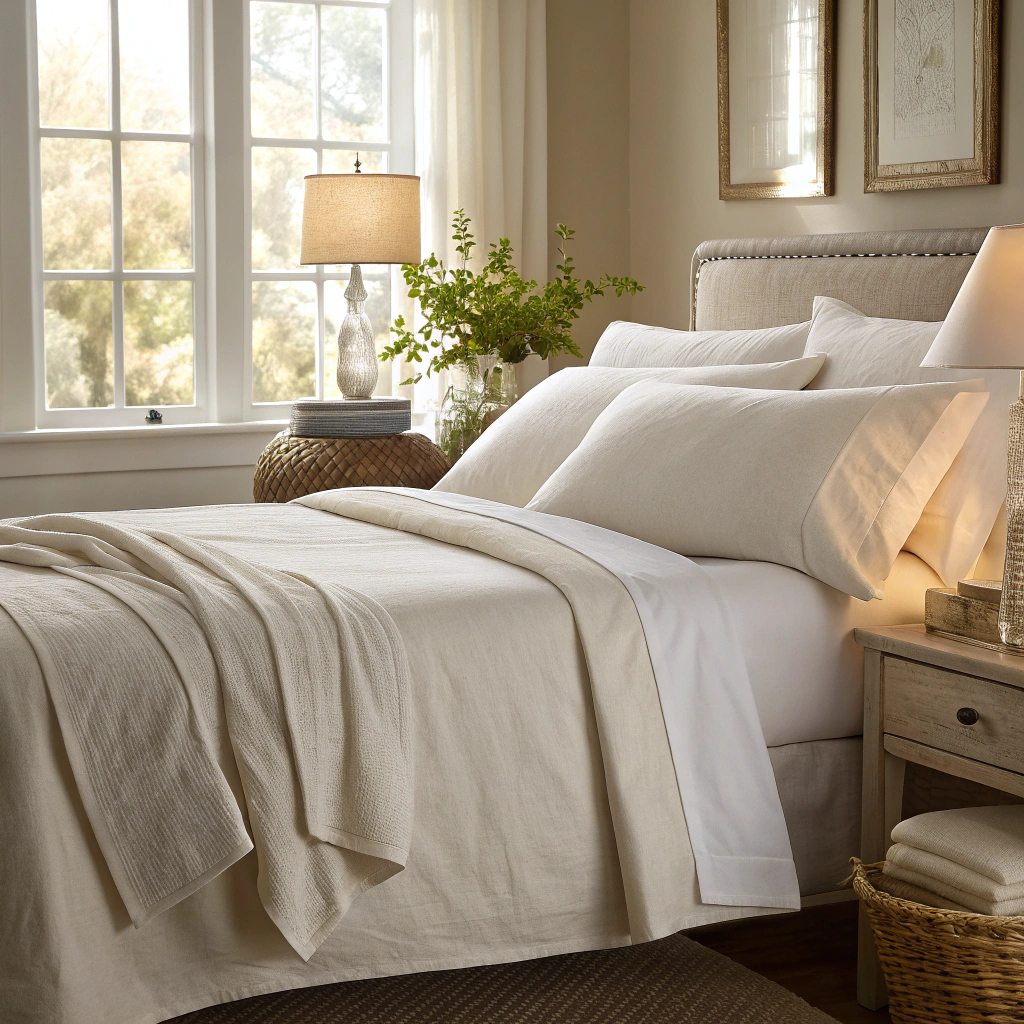
Most blends range from 40% linen + 60% cotton up to 80% linen + 20% cotton, and each ratio affects softness, texture, and durability.
How the Blend Ratio Affects Feel & Performance
-
Higher Linen Content (60–80%) → More textured feel, stronger fibers, exceptional cooling
-
Higher Cotton Content (60–80%) → Softer touch, smoother finish, fewer wrinkles
This balanced combination makes the sheets breathable yet gentle, with just enough crispness for people who enjoy classic linen texture.
Why This Fabric Blend Is So Popular Today
Comfort Benefits
Linen adds strength, while cotton contributes softness — a combination that creates a bedding material that feels cozy without being heavy or stiff.
Temperature Regulation
One of the biggest perks of linen-cotton blends is their natural ability to regulate temperature. The fibers allow airflow, preventing overheating during sleep.
Softness vs. Durability
Cotton ensures softness from the first use, while linen grows softer over time. With proper care, these sheets can last years longer than standard cotton sheets.
Key Benefits of Linen and Cotton Blend Sheets
Breathability & Airflow
The open weave and natural fibers help release heat instead of trapping it, making these sheets perfect for hot sleepers.
Moisture-Wicking Capabilities
Linen can absorb up to 20% of its weight in moisture without feeling wet — ideal for sweaty sleepers or humid climates.
Strength & Longevity
Thanks to linen’s long flax fibers, the fabric blend is naturally resistant to wear and tear, pilling, and thinning.
Comparing Linen-Cotton Sheets to Other Mattress Fabrics
Vs. Pure Cotton
Pure cotton is soft and smooth but can wear out faster. Linen-cotton blends offer much stronger fibers, making them longer-lasting while still soft enough for everyday comfort.
Vs. Pure Linen
Pure linen is luxurious but often very pricey. It also feels rougher at first and wrinkles easily. Linen and cotton blend sheets soften the texture and reduce wrinkles while keeping linen’s cooling benefits.
Vs. Bamboo or Microfiber
While bamboo sheets are silky, they may trap heat. Microfiber is affordable but not breathable. Linen-cotton blends provide both breathability and natural comfort—without feeling synthetic or sticky.
How to Choose the Best Linen and Cotton Blend Sheets
Thread Count Myths
Thread count is less important with blended sheets because linen naturally has a thicker fiber. A lower thread count doesn’t mean poor quality.
Weave Types (Percale, Sateen)
-
Percale: Crisp, cool, matte finish
-
Sateen: Smoother, slightly warmer, gentle sheen
Most linen blends use percale because it maximizes airflow.
Blend Percentages Explained
-
50/50: Balanced softness and crispness
-
60/40 linen-heavy: More cooling and texture
-
40/60 cotton-heavy: Softer and smoother
Choose based on whether you prefer crisp or soft bedding.
Best Seasons to Use Linen and Cotton Sheets
Summer Cooling Benefits
These sheets shine in warm months thanks to their breathability. They pull moisture away from the skin and help keep you cool and dry.
Winter Coziness
Despite being cooling, linen cotton blends hold warmth well in colder weather, making them ideal for year-round use.
Care Instructions for Long-Lasting Sheets
Washing Tips
Wash in cold or warm water with mild detergent. Avoid fabric softener, as it can coat fibers and trap heat.
Drying & Ironing
Tumble dry on low and remove early to reduce wrinkles. If you enjoy a crisp, neat bed look, iron on medium heat.
How to Prevent Pilling
Wash inside out and avoid harsh detergents. This keeps fibers smooth and strong.
Environmental Impact and Sustainability
Eco-Friendly Production
Linen uses significantly less water than cotton. When blended, the final fabric still reduces overall water usage.
Why the Blend Uses Less Water
Because linen fibers are naturally strong, manufacturers need fewer chemical treatments, making the blend more sustainable overall.
For more information on sustainable fabrics, you can explore resources like the Environmental Working Group.
Common Problems & How to Fix Them
Shrinking
Avoid high heat during washing and drying.
Wrinkles
Because linen wrinkles naturally, remove from the dryer early or enjoy the casual lived-in look.
Stiffness
Over several washes, the sheets soften naturally.
Who Should Buy Linen and Cotton Blend Sheets
Hot Sleepers
The superior breathability helps you stay cool throughout the night.
Individuals With Sensitive Skin
Cotton provides softness while linen resists bacteria, making this blend a great choice for sensitive skin types.
Budget vs. Premium Blend Sheets
What You Get at Different Price Points
-
Budget options: Cotton-heavy, softer, fewer durability benefits.
-
Premium options: Higher linen percentage, stronger fibers, better temperature control.
-
- -
Best Colors and Styles That Match Your Bedroom
Neutral Tones
Beige, white, and gray offer calm, hotel-like elegance.
Minimalist Looks
Soft earth tones create a natural, peaceful atmosphere.
Modern Patterns
Stripes or subtle prints add personality while staying stylish.
Top Brands Offering Linen and Cotton Blend Sheets
(General overview without brand endorsements)
Many reputable bedding companies now offer linen-cotton blends due to the high demand for natural, breathable fabrics. Look for companies that prioritize sustainability and OEKO-TEX certification.
FAQs About Linen and Cotton Blend Sheets
1. Are linen and cotton blend sheets good for hot sleepers?
Yes. They’re incredibly breathable and wick away moisture, preventing overheating.
2. Do these sheets get softer over time?
Absolutely. Both cotton and linen soften with repeated washing.
3. Will linen blend sheets wrinkle easily?
They wrinkle less than 100% linen but more than pure cotton.
4. Are they worth the price?
Yes—especially because they last longer than standard cotton sheets.
5. Can I use them year-round?
Their temperature regulation makes them suitable for all seasons.
6. What blend percentage is best?
A 50/50 blend is great for softness, while 60/40 linen-heavy is better for cooling.
Final Thoughts on Linen and Cotton Blend Sheets
Linen and cotton blend sheets offer a powerful mix of breathability, comfort, durability, and style. Whether you’re a hot sleeper, someone with sensitive skin, or simply someone who loves natural fabrics, this bedding blend provides excellent value and long-term performance.