

Weighted Vest: The Ultimate Guide for Strength & Endurance
Using a weighted vest has become one of the most popular ways to level up your workouts. Whether you're walking, running, doing pushups, or training for a sport, adding extra weight can increase intensity, boost strength, and supercharge overall performance. This guide breaks everything down in easy language so you know exactly how to use a weighted vest safely and effectively.
What Is a Weighted Vest?
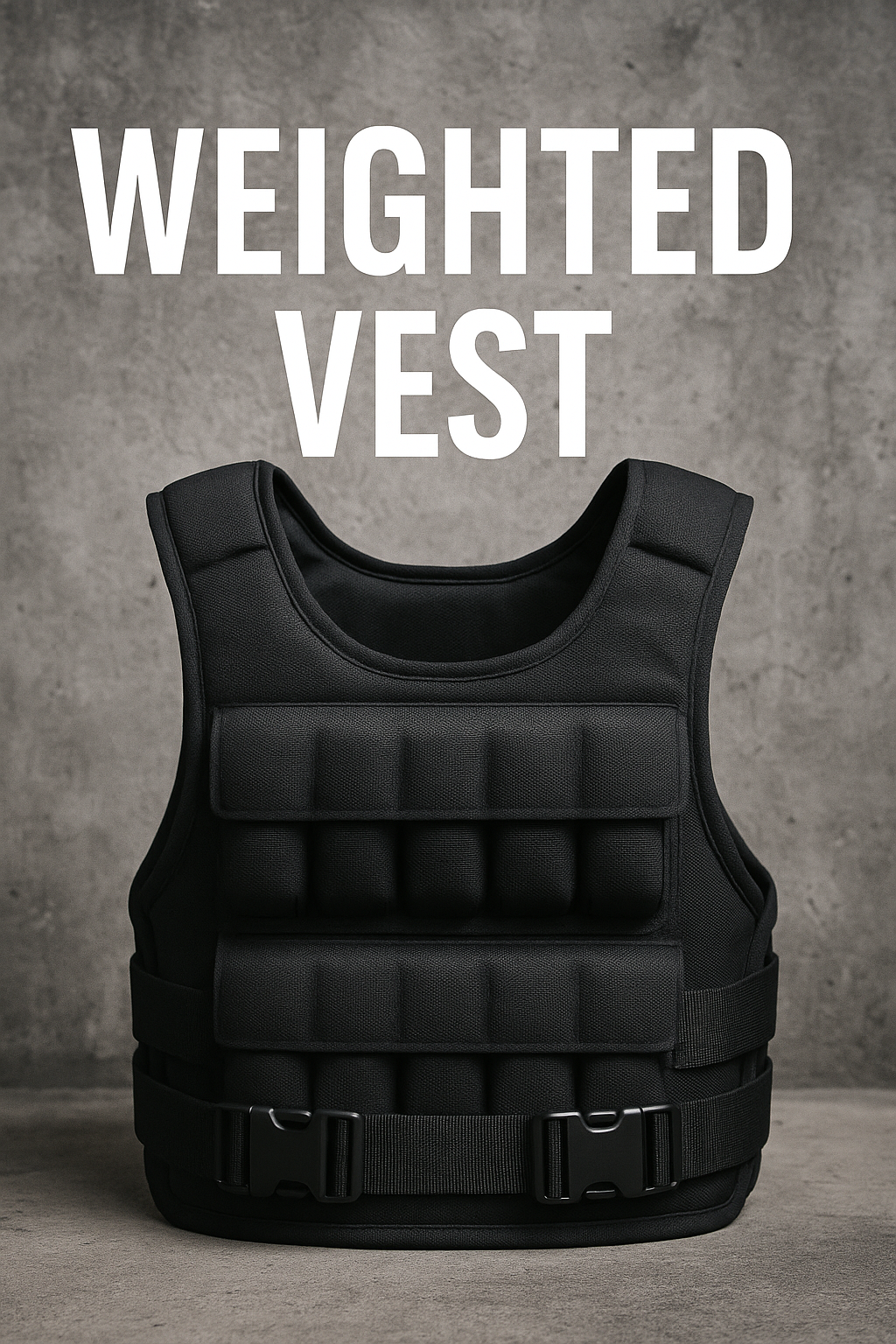
A weighted vest is a wearable piece of fitness equipment designed to add extra resistance to your natural body weight. It fits snugly around your torso and distributes weight evenly so you can move comfortably without hurting your posture.
Main Types of Weighted Vests
-
Fixed-weight vests: Weight is sewn inside and cannot be adjusted. These are beginner-friendly.
-
Adjustable vests: Allow you to add or remove weight plates or sandbags.
-
Compression-style vests: Slim, tight-fitting options ideal for running or sports training.
Weighted vests are commonly used for:
-
Strength training
-
Cardio workouts
-
CrossFit
-
Military or tactical training
-
Rehabilitation and mobility exercises
-
- -
Key Benefits of Using a Weighted Vest
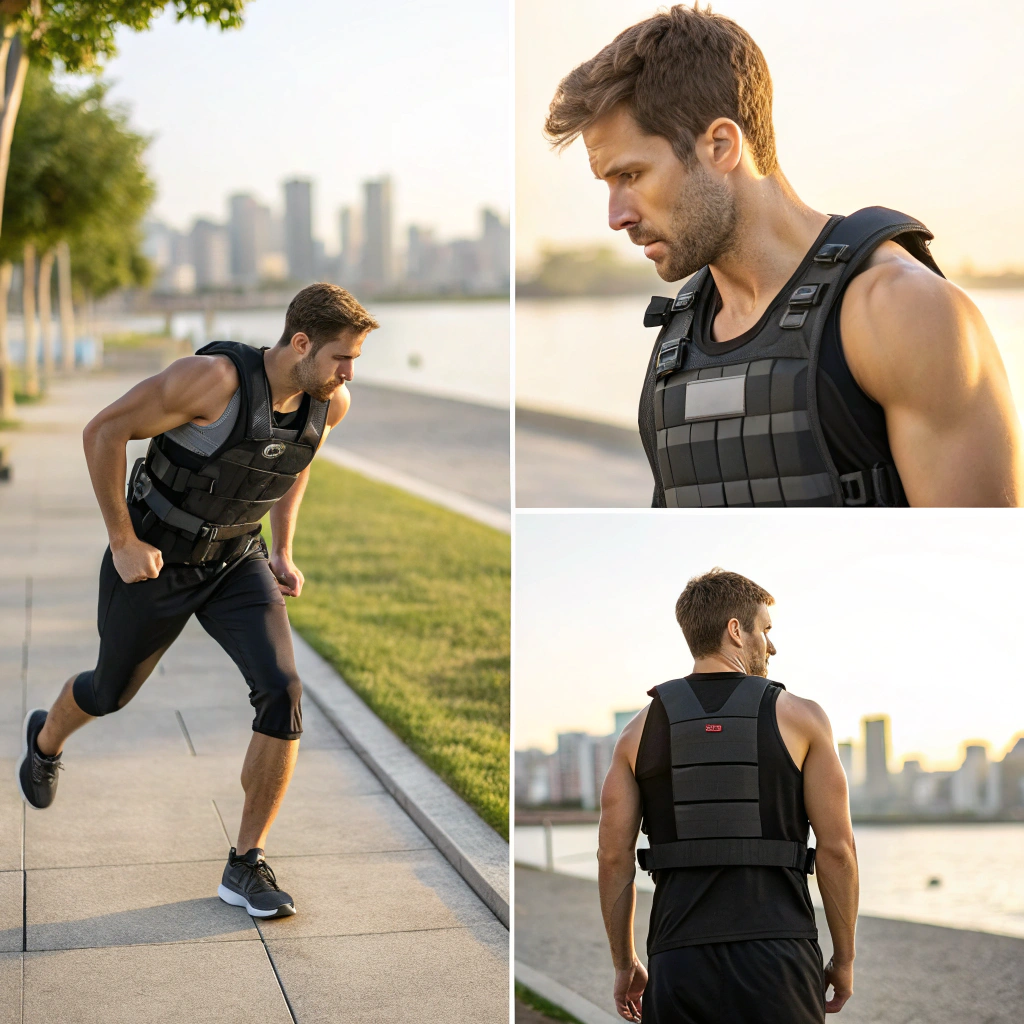
Using a weighted vest isn’t just about adding difficulty — it’s about improving functional fitness.
1. Increased Strength
The extra weight forces your muscles to work harder during pushups, squats, lunges, and pull-ups.
2. Enhanced Endurance
Your lungs and heart adapt to the added resistance, helping improve cardiovascular health over time.
3. Higher Calorie Burn
Weighted vests increase workload, raising your calorie burn by up to 10–15%.
4. Better Bone Density
The additional load creates stress on your bones, which helps strengthen them.
5. Improved Posture
Weighted vests help activate stabilizer muscles, which support better alignment.
How Weighted Vests Improve Strength Training
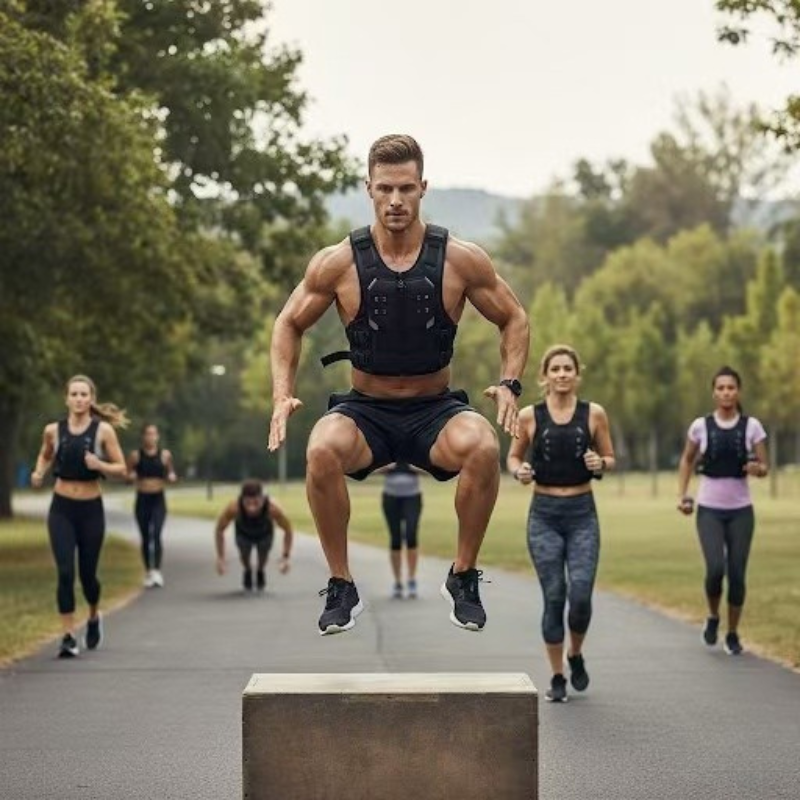
Weighted vests turn bodyweight exercises into powerful strength-building movements. Because the weight stays close to your center of gravity, you can maintain natural movement patterns while boosting resistance.
Why This Matters
-
Safer than holding dumbbells for many movements
-
Engages core muscles more deeply
-
Helps athletes build explosive power
-
- -
Weighted Vest for Cardio Workouts
A weighted vest makes simple cardio exercises much more effective.
Running With a Weighted Vest
It helps increase VO₂ max and improves speed over time.
Walking With a Weighted Vest
Walking with a weighted vest is one of the safest calorie-burning workouts for beginners.
HIIT and Functional Training
Adding a vest increases intensity without needing extra equipment.
Safety Tips for Beginners
Using a weighted vest is safe when done correctly.
Start Light
Use 5–10% of your bodyweight when beginning.
Check Your Posture
Stand tall with your shoulders back to avoid strain.
Warm Up Properly
Mobilize your hips, back, and shoulders before adding load.
Stop If You Feel Pain
Weighted vests shouldn't cause sharp or uncomfortable pain.
Choosing the Right Weighted Vest
Here’s what to look for when buying a vest:
| Feature | Why It Matters |
|---|---|
| Adjustability | Allows progress over time |
| Fit & Comfort | Reduces bouncing |
| Material Quality | Helps with durability |
| Weight Range | Choose according to fitness level |
For more detailed comparisons, check out fitness resources like:\
https://www.verywellfit.com (external reference)
Best Exercises to Do With a Weighted Vest
Top Strength Exercises
-
Pushups
-
Pull-ups
-
Squats
-
Lunges
-
Planks
-
Dips
Best Cardio Movements
-
Stairs
-
Running
-
Mountain climbers
-
Burpees
-
- -
Weighted Vest for Weight Loss
A weighted vest increases energy expenditure, meaning you burn more calories even during simple activities like walking.
Why It Works
-
Adds extra load
-
Elevates heart rate
-
Boosts metabolism
-
Helps build lean muscle
-
- -
Common Mistakes to Avoid
-
Using too much weight too soon
-
Wearing the vest for too long
-
Exercising with poor posture
-
Ignoring warm-ups and cooldowns
-
- -
FAQs About Weighted Vests
1. Is a weighted vest safe for beginners?
Yes — as long as you start light and focus on form.
2. How heavy should a weighted vest be?
5–10% of your bodyweight is recommended for beginners.
3. Can I run with a weighted vest?
Absolutely, but choose a compression-style vest to reduce movement.
4. Will a weighted vest help me lose weight?
Yes, because it increases calorie burn.
5. Can I wear a weighted vest all day?
Not recommended. Wear it only during workouts.
6. Do weighted vests build muscle?
They help build strength, especially during bodyweight exercises.
Conclusion
A weighted vest is one of the simplest yet most powerful tools you can add to your fitness routine. It boosts strength, endurance, balance, and calorie burn — all without needing complicated gym equipment. Start light, stay consistent, and enjoy the benefits!