Silk pillowcases look beautiful and feel luxurious, but they come with a price. Many people love them for their smoothness but are held back by their high cost and delicate nature.
Silk pillowcases are smooth and gentle on hair and skin, but they are expensive, require special care, and can fade or damage easily. There are more affordable, low-maintenance alternatives that feel just as soft.
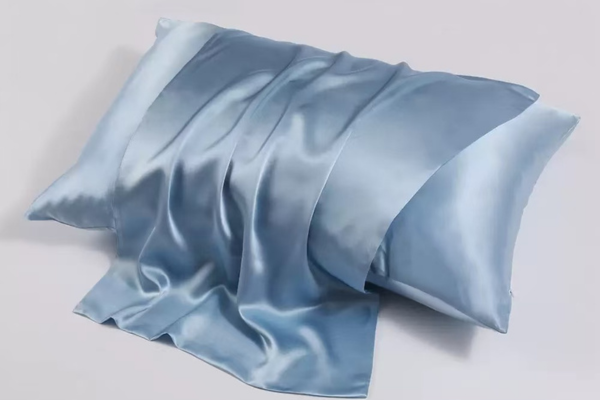
If you love the smooth touch of silk but don’t want to spend too much time or money maintaining it, you’re not alone. I’ve worked with many materials in my factory, and I’ve learned there are excellent alternatives that balance comfort, care, and cost.
What is the downside of a silk pillowcase?
Silk may sound like the perfect fabric, but even luxury has its limits. It’s soft, shiny, and breathable — yet it demands delicate care.
Silk pillowcases are costly, require hand washing, fade under sunlight, and can feel too cold for some people. They’re also less absorbent, making them unsuitable for oily hair.
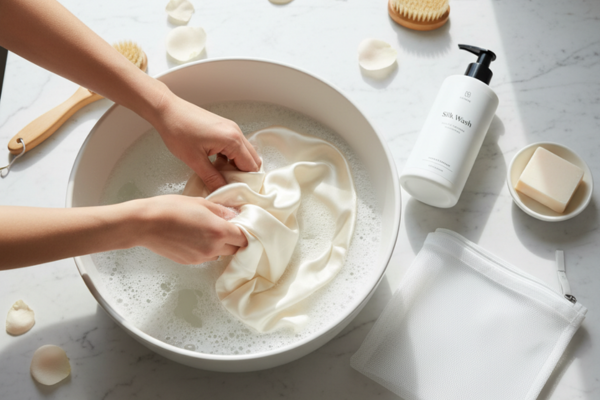
Silk is often seen as a symbol of luxury. It does help reduce frizz, tangles, and sleep lines. However, it’s not practical for everyone. Its high price limits everyday use, especially for large families or hotels. In my experience, silk can also lose its shine over time if not handled carefully. Exposure to sunlight and regular washing often leads to color fading or fabric thinning. This makes silk more suitable for premium bedding or as a gift rather than an everyday choice.
| Feature | Advantage | Disadvantage |
|---|---|---|
| Smooth texture | Reduces frizz and wrinkles | Needs gentle washing |
| Luxurious look | Great for premium gifting | Expensive |
| Breathable | Keeps skin cool | Fades in sunlight |
| Gentle on hair | Prevents tangles | Not good for oily hair |
What is the alternative to silk pillowcases for hair?
Many people look for the same soft, hair-friendly feeling that silk offers — but without the high price or delicate care.
Top alternatives include satin, bamboo, TENCEL™/Lyocell, high-count cotton, and Modal. Each offers different levels of softness, breathability, and price.
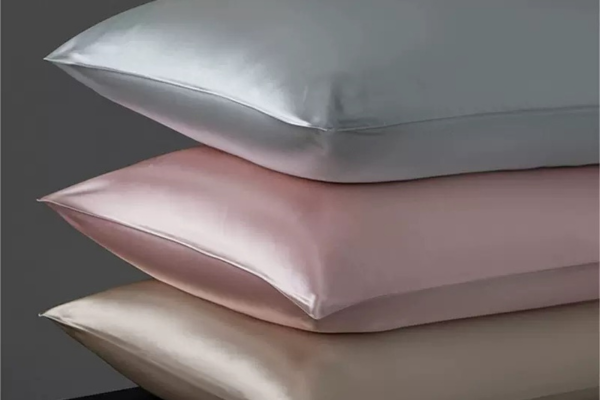
Each material has its own story. Satin, for example, mimics the sleek look of silk but costs much less. It’s durable and easy to wash, though not very breathable since it’s often made from polyester. Bamboo pillowcases are naturally cool, breathable, and antibacterial — ideal for people with allergies. However, bamboo can wrinkle easily and requires careful washing.
TENCEL™ or Lyocell pillowcases are incredibly soft and sustainable, but they’re not cheap either. High-count cotton gives a crisp, classic touch and is easy to maintain, though it can wrinkle and feels warmer in summer. Modal is silky smooth, great at keeping moisture away, and holds colors well, but it’s weaker and can pill with time.
| Material | Pros | Cons | Price Level |
|---|---|---|---|
| Satin (Polyester) | Smooth, affordable, easy to wash | Low breathability | $ |
| Bamboo | Breathable, eco-friendly, antibacterial | Wrinkles easily | $$ |
| TENCEL™ / Lyocell | Soft, sustainable, luxurious feel | Expensive, delicate | $$$ |
| High-Count Cotton | Durable, breathable, easy care | Wrinkles, slower drying | $$$ |
| Modal | Very soft, great drape, colorful | Pills easily, weak fibers | $$ |
What is the healthiest material for pillowcases?
Many people assume silk is the healthiest option for skin and hair — and they’re mostly right. But it’s not the only one.
Organic silk is the best for hair and skin, but bamboo and silk-blend pillowcases offer nearly the same benefits at half the cost.
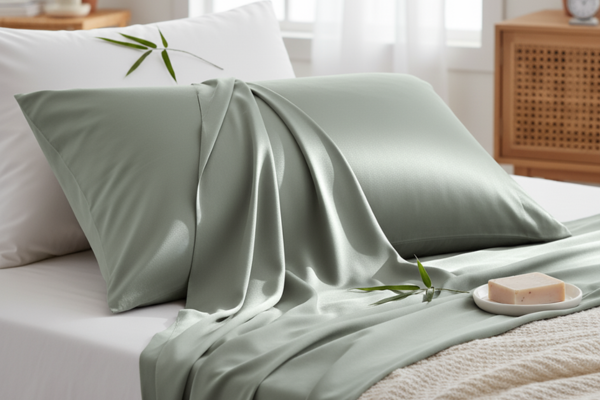
When I talk to my clients, I often recommend blending silk with bamboo fiber. This combination keeps the same smooth and cooling feeling of silk, while adding the breathability and natural antibacterial power of bamboo. Plus, it costs around half the price of pure silk. Our factory has recently focused on developing this fabric, and many brands have already started using it for both luxury and eco-conscious lines.
Compared to other materials, silk-bamboo blends are easier to care for and less prone to fading. They still feel luxurious, but they are much more practical for daily use. This is why I believe this blend is the future of comfortable, affordable bedding.
| Material Type | Best For | Key Benefit | Care Level |
|---|---|---|---|
| Organic Silk | Premium users | Gentle, reduces frizz | High |
| Bamboo Silk Blend | Everyday luxury | Soft, breathable, eco-friendly | Medium |
| Cotton | Casual users | Easy to wash | Low |
| TENCEL™ / Lyocell | Eco lovers | Smooth, cooling | Medium |
Conclusion
Silk is still the most elegant fabric for pillowcases, but smart alternatives like bamboo silk blends give you the same smooth comfort with easier care and better value.